

Canadian Oats
The World Loves Canadian Oats
As the world’s largest exporter of high-quality oats, Canada produces over 3.7 million tonnes of oats per year on average.
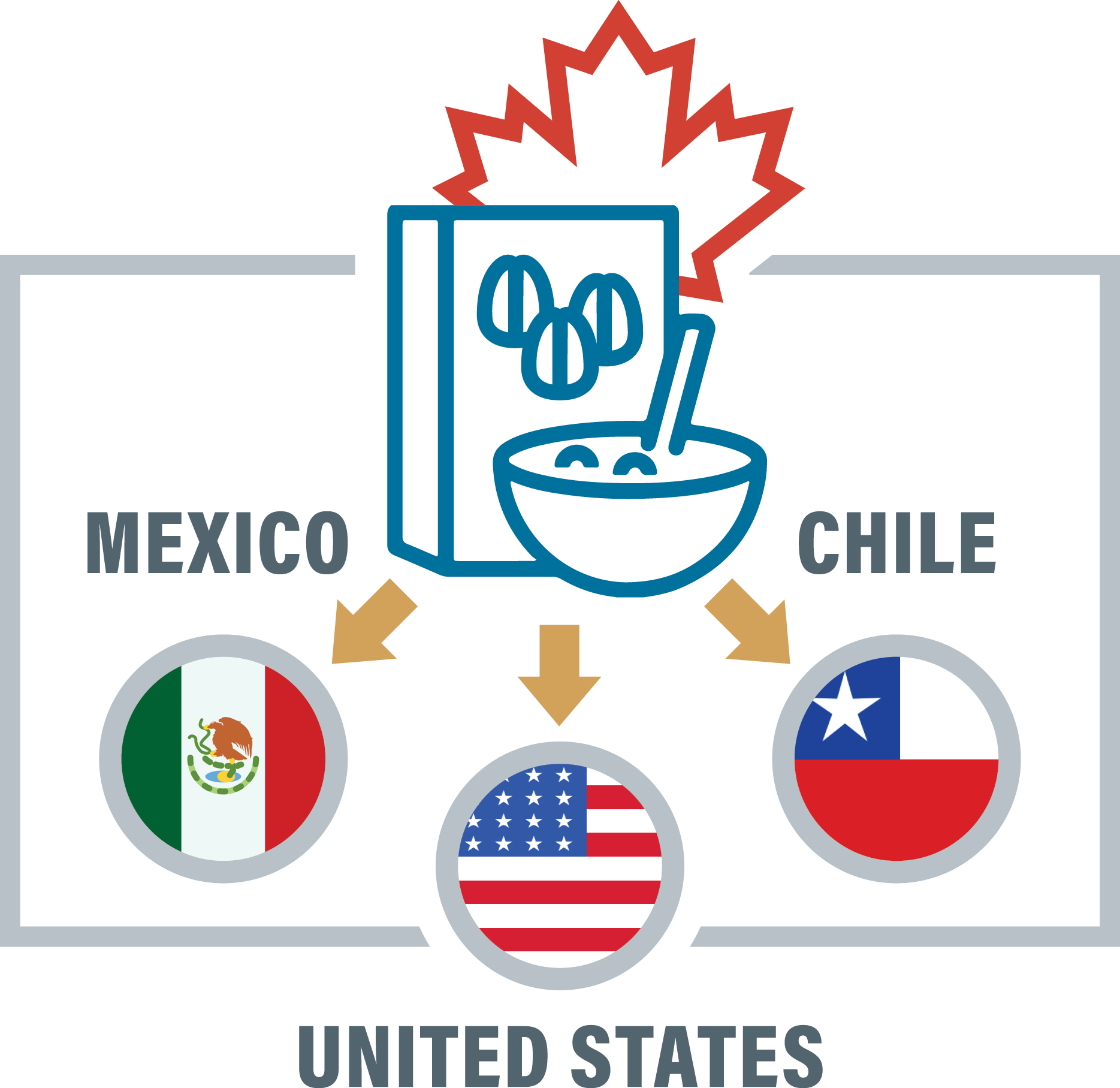
The primary export markets for Canadian oats include the United States (U.S.), Mexico and Chile, with Canada holding a dominant market share in these regions. Over the last five years, the U.S. has been the largest oat importer, accounting for 56% of the world’s oat imports. About 81% of Canadian oat exports are shipped to the U.S., representing a market share of 96%.
Canadian oats supply three primary markets: milling oats for human consumption; performance or pony oats, largely as feed for high-end race or competitive horses; and high-yielding feed oat varieties.
In recent years, non-traditional uses for oats like oat-based beverages have become increasingly popular. As uses for oats and oat products become more diversified, oats will continue to remain an important crop in Canada’s agricultural industry.
Economic Impact
The Canadian oat sector has an estimated $4.2 billion total economic impact on the Canadian economy annually.

Source: The Economic Impact of Common Wheat on Canadian Economy: 2022, GlobalData
Oats are predominantly grown in the Prairie provinces with over 47% of production in Saskatchewan.
One of the World’s Healthiest Grains
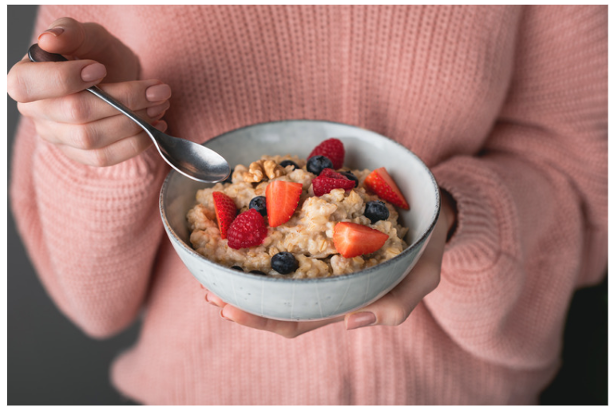
Canadian oats are renowned for their health benefits and quality. They are high in fibre and contain both insoluble and soluble fibres (beta-glucan). Studies suggest consuming foods containing beta-glucan can help lower cholesterol, improve heart health, manage blood sugar levels, lower the risk of developing type 2 diabetes, improve satiety, and stimulate the immune system.
Oats are also rich in essential vitamins and minerals, including calcium, potassium, magnesium, and a range of B vitamins.
In Canada, Health Canada approved a health claim that supports consuming soluble fibre from oats lowers cholesterol.*
Get to Know Canadian Oats
Oats can be processed into a variety of different food products. The first step in oat processing involves dehulling which involves removing the tough outer layer (hull) surrounding the oat groat (inside portion of the kernel). The groat is then kilned (steam heat treatment) and processed into different products like steel cut oats, oat flakes, and oat flour.
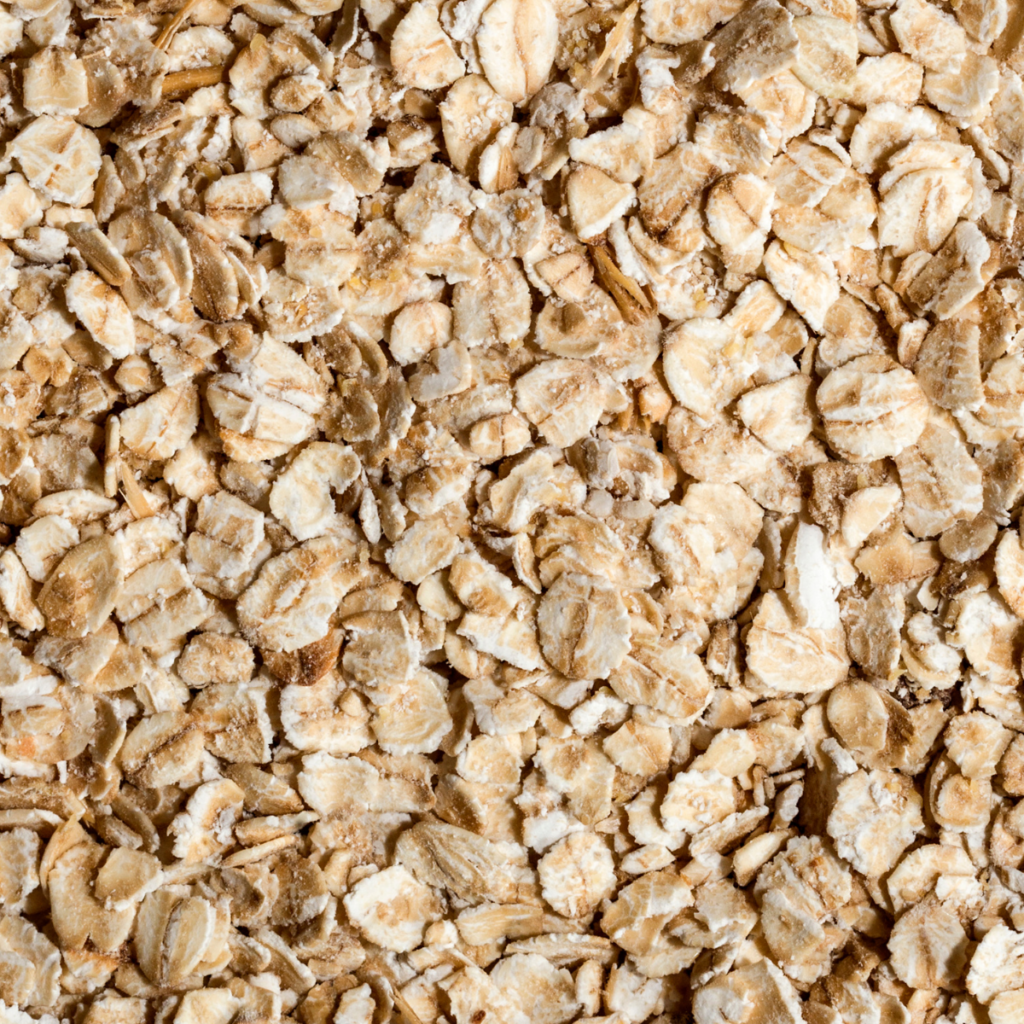
Rolled Oats are groats which have been steamed and toasted prior to being flattened by heavy rolls. Rolled oats, often called old-fashioned oats, are slightly thicker than quick or instant oats but still cook fairly quickly. Rolled oats are eaten hot (oatmeal) or cold (overnight oats) and often used in granola bars and muesli.
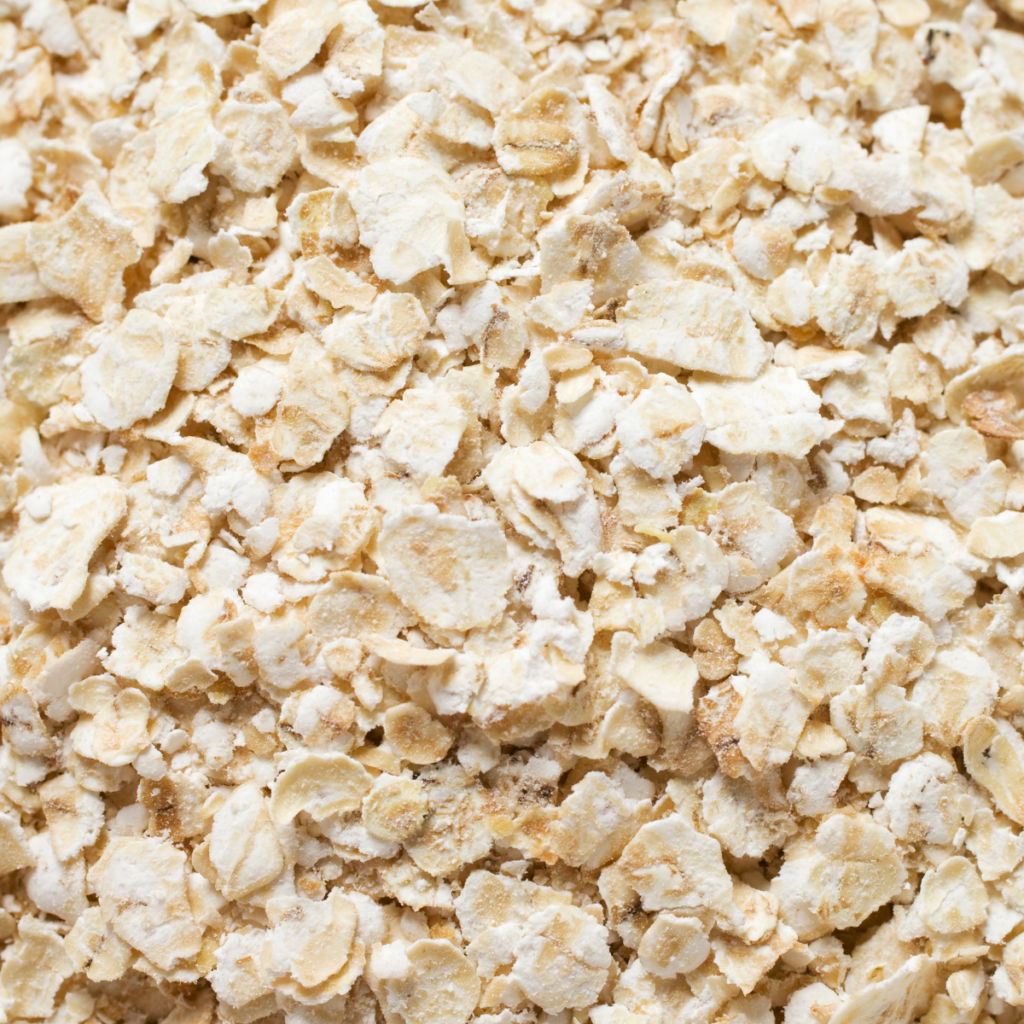
Quick Oats are rolled oats that are rolled into thinner flakes making them cook faster. They can be prepared quickly as a hot cereal and are frequently used in muffins, cookies, and bread.
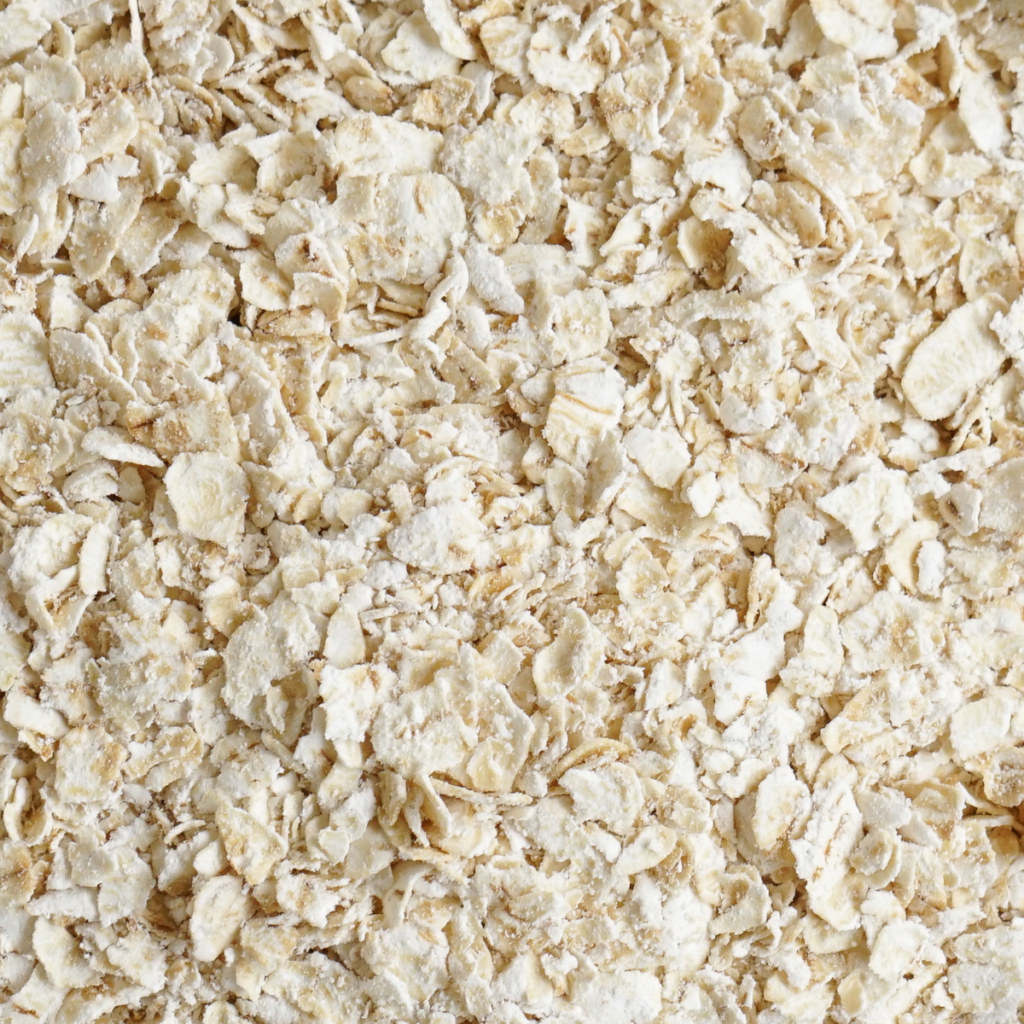
Instant Oats are rolled oats that have been cut into finer pieces and rolled into thinner flakes for fast cooking times. In fact, you don’t have to cook them at all—just add boiling water!
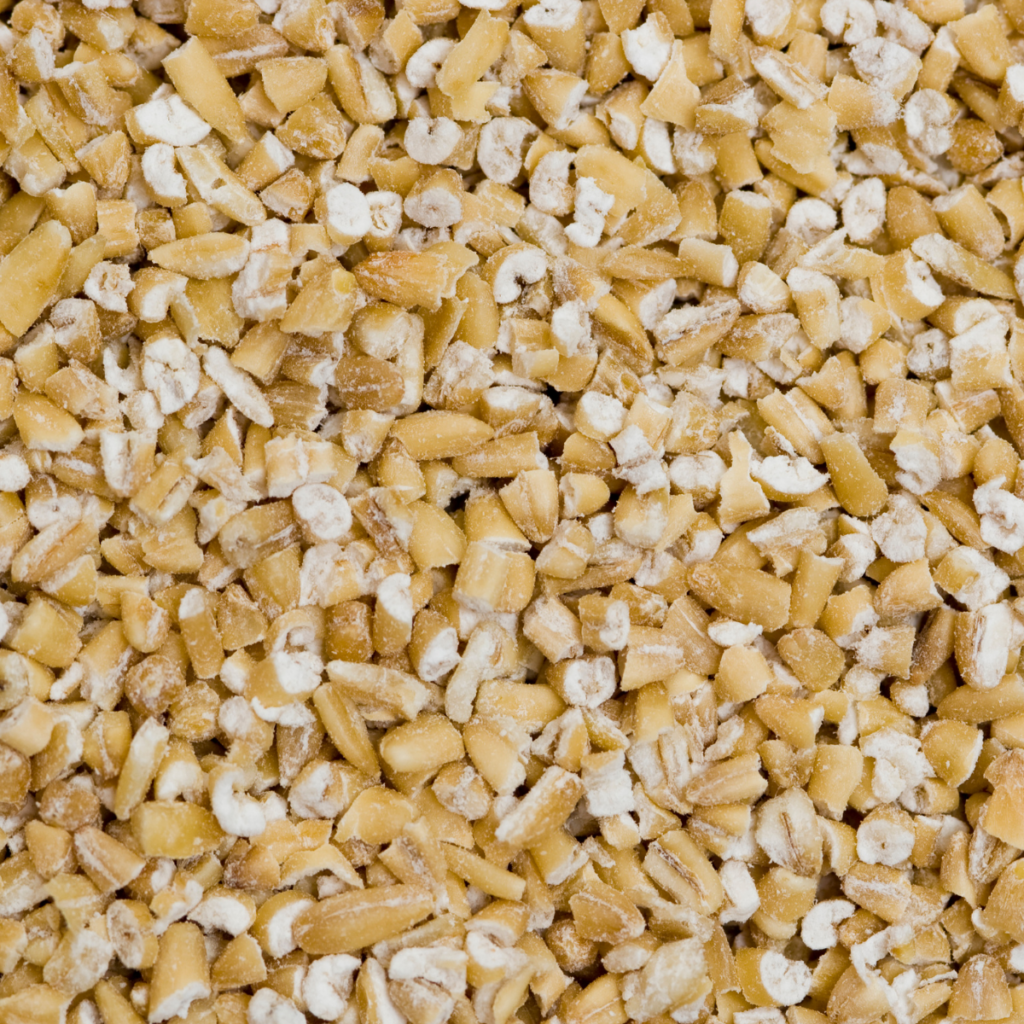
Steel Cut Oats have a chewy, hearty texture and require longer cooking times. The groats are cut into smaller pieces to create steel cut oats.
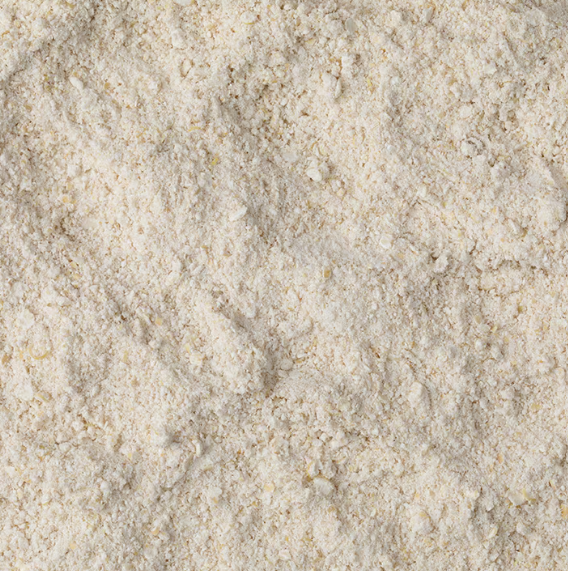
Oat Flour is made by grinding groats or rolled oats into a fine powder. Oat flour is commercially available and can be used as a thickening agent in sauces, stews and gravies, and in baked goods like cookies, muffins, and breads.
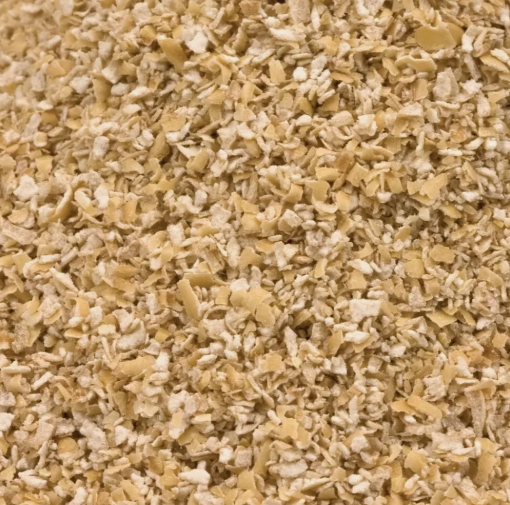
Oat Bran is made from the outer layer of the oat groat and is particularly high in insoluble fibre. It is used as a hot cereal or added to other foods for a boost of fibre.